The overview: Idaho is one of the National Education Association’s smallest-population affiliates, which means its needs can be drowned out at the national level during lobbying, NEA’s Representative Assembly and elections.
• The Northern Tier, or TNT, is the union bloc built to fix that.
• Members include Idaho, Alaska, Wyoming, Montana, North Dakota and South Dakota.
• TNT states coordinate to vote as a unified group, and they also work together on messaging during lobbying events like NEA’s Super Week in Washington, D.C.
Why it matters: “We raise up our voice by banding together,” said IEA President Peggy Hoy. “And when you do, you’re stronger together.”
What’s shared across the six states: TNT states line up on more than Western geography.
• Most are “red” states that traditionally vote Republican — in many cases, going back decades (Alaska has historically trended red at the national level but has a power-sharing structure at the state level).
• All are seeing rising hostility toward public education and educators.
• Underfunding is a perennial reality.
The strategy: TNT doesn’t just show up with national talking points; it translates them into real-life stories for the NEA and for lawmakers in Congress.
• “We’re not representing the nation, we’re talking about why this is important to Idaho and other states, and what it does to our kids,” Hoy said.
• Apply that tactic across six states, and members of Congress start hearing the same story from multiple directions — and that consistency can move the needle.
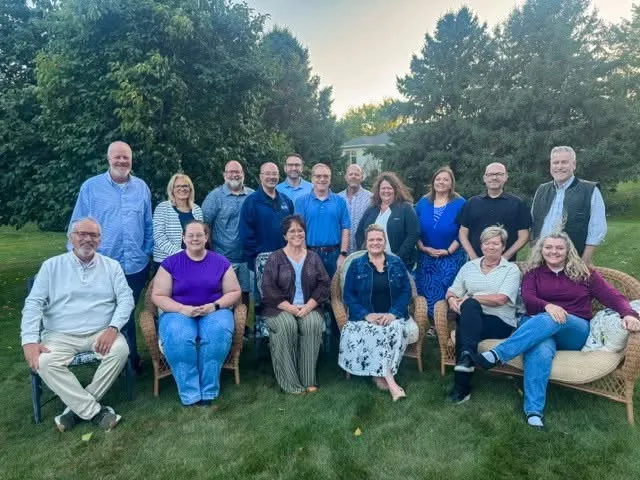
What just happened: TNT members spent a recent weekend meeting in Wyoming, where the group’s biggest order of business was candidate endorsements for NEA’s Executive Committee.
• TNT is traditionally one of the first blocs to roll out endorsements during the election cycle.
• The bloc backed Mel House, who previously ran without TNT’s support and lost. However, Hoy said that House came back better prepared and more attuned to small-state needs, which TNT members appreciated.
• The second endorsement went to Aaron Kubo of Hawaii. It’s not a red state, but a fellow small state with its own district pressures — as Hoy pointed out, there is a parallel between Western wildfire threats and Hawaii’s own fires, escalating water issues and hurricanes.
• Both endorsements now head to the full caucus for ratification at RA.
Why early endorsements matter: Getting in first means the endorsed candidates start actively courting TNT’s delegates and studying what small states actually need.
The bottom line: TNT isn’t a formality. It’s how Idaho and five other smaller-population states turn separate, easy-to-ignore voices into one that national leadership has to listen to.