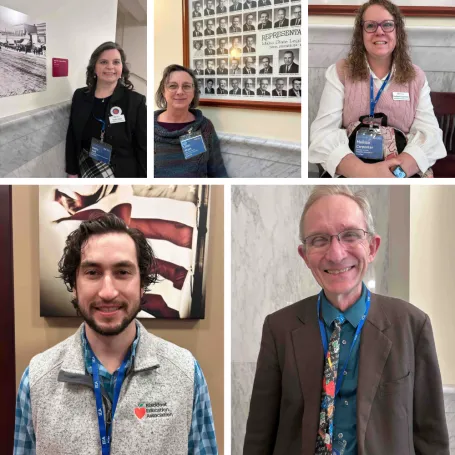
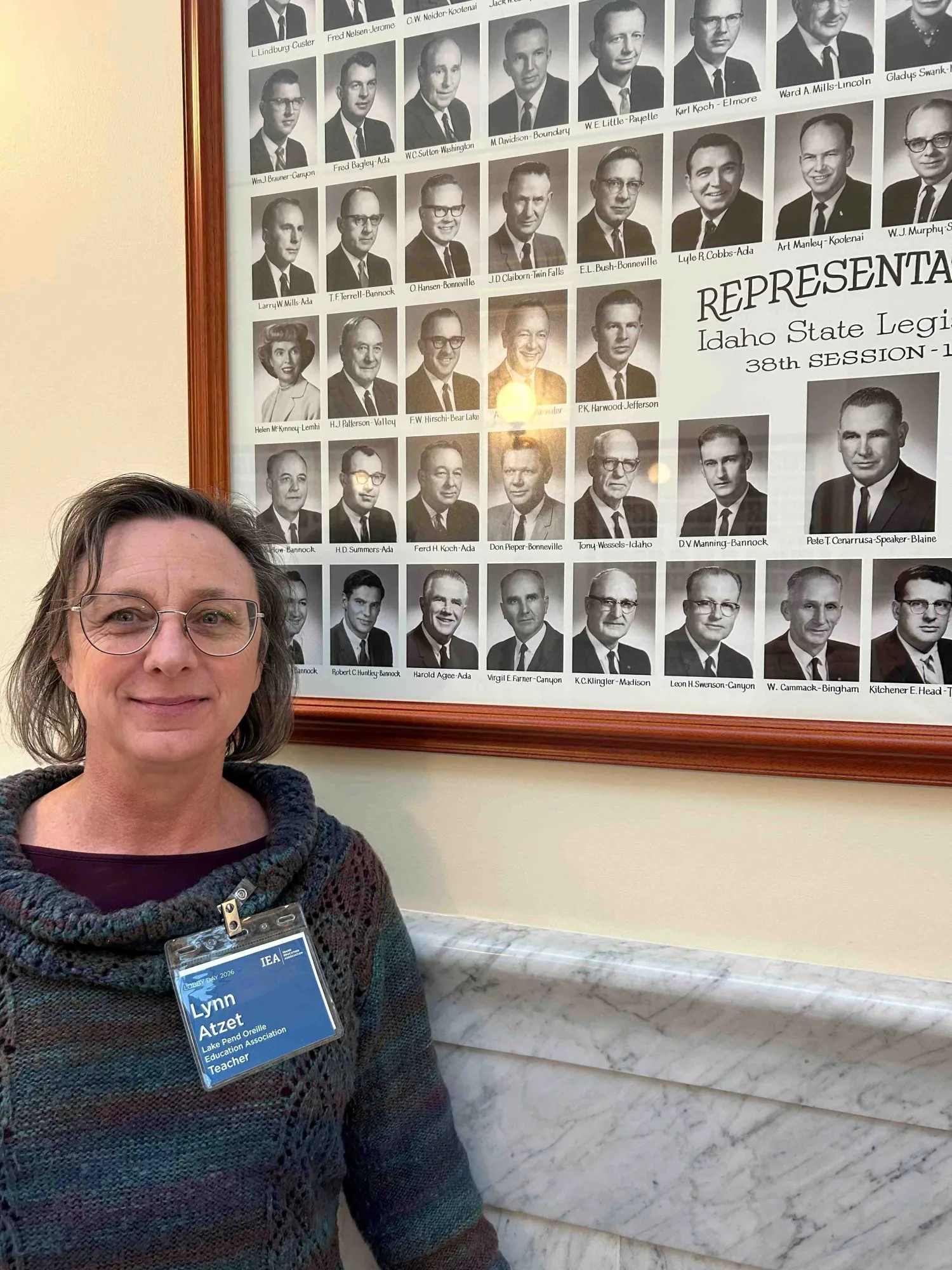
Lynn Atzet
Educator at Bonner County Juvenile Detention Center | Lake Pend Oreille Education Association
What are you sharing with legislators today? We’ve been so underfunded in special education for such a long time that kids who are identified don’t always get the services they need, and when kids don’t get the services they need that almost always will show up in behavior.
I’ve had three kids in the last year — just three in one year — who have come in at 14, 15, almost 16 years old as non-readers who have been identified as special education students. One of them only got identification within the last year. The other two had been identified since they were in early elementary school, but their disabilities were probably misidentified.
We don’t have enough personnel, and we don’t have experts to do that kind of diagnosis. It’s not even a failure of the teachers or the parents or the professionals who worked with that child. It’s a systemic failure when we don’t recognize what kids need.
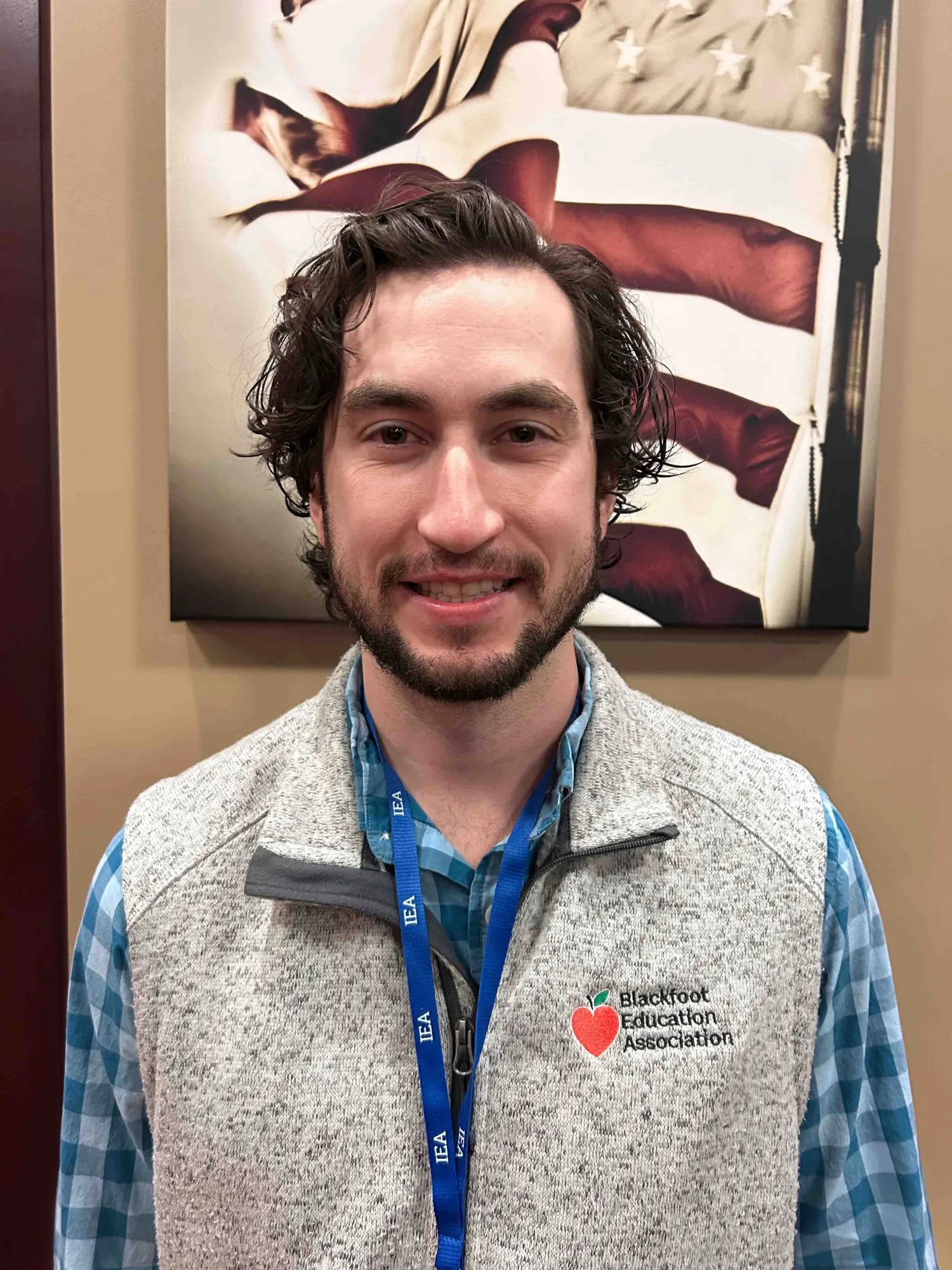
Chase James
Social studies educator | Blackfoot Education Association
What did you come here to discuss with your legislators? Our superintendent, just last Friday at a meeting, brought up the potential that we’re likely going to have to do a reduction in force. And I wanted these legislators to understand — because of this funding decision, or this funding decision, or that funding decision, four people potentially might lose their jobs.
A lot of them brought up, “Well, record amounts of funding have gone into education.” … We have to do a little moving of where resources go, and I don’t think they realize that. They see the numbers that are going out, which seem really good, but understanding how districts then apply that and how we move it — I hope that was beneficial to legislators.
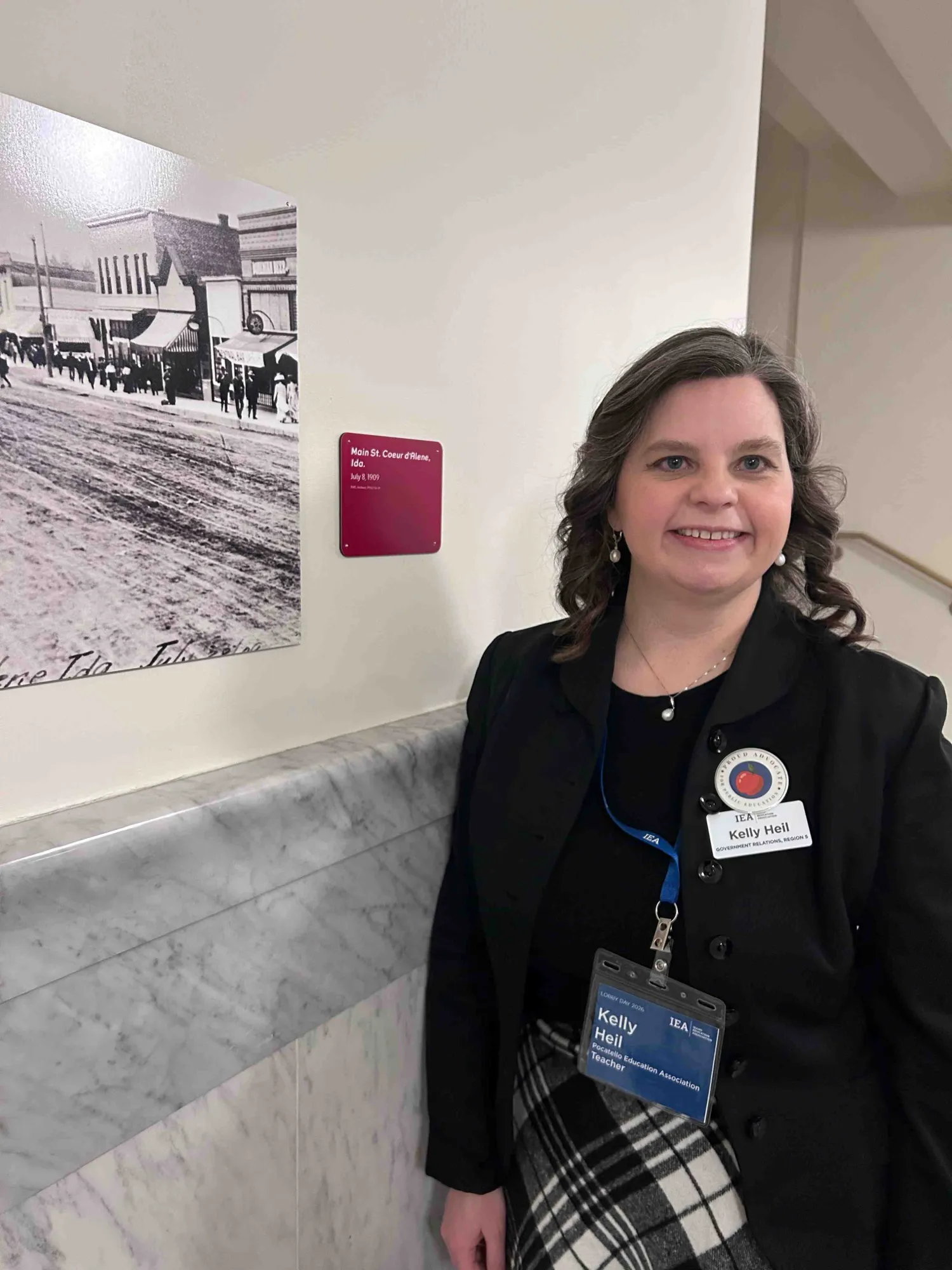
Kelly Heil
Social Studies educator | Region 5 president | Pocatello Education Association
Why do you participate in Lobby Day? I always say Lobby Day saved my career. I was going to quit education entirely, and coming here and being in my space — I have a political science degree — filled a piece of my heart I didn’t realize I needed to build back up.
This year, I’m talking about Medicaid cuts and how that’s going to impact our students. We have a partnership with a local mental health facility that comes in and brings and outside counselor to meet with our kiddos. That’s all paid for by Medicaid. I have disabled children whose paras are paid for by Medicaid. So all of those Medicaid cuts where we can say we’re not touching the K-12 budget? We really are, because those are direct impacts to our classrooms.
We had a very good conversation with Sen. (Jim) Guthrie (R-Pocatello) about that and what it really looks like. I shared a story about one of my students whose family has left the state of Idaho because they can no longer get the healthcare they need for his disabled mother … that is a family who is no longer a taxpayer in the state of Idaho, because this is not a place where they can raise their family.
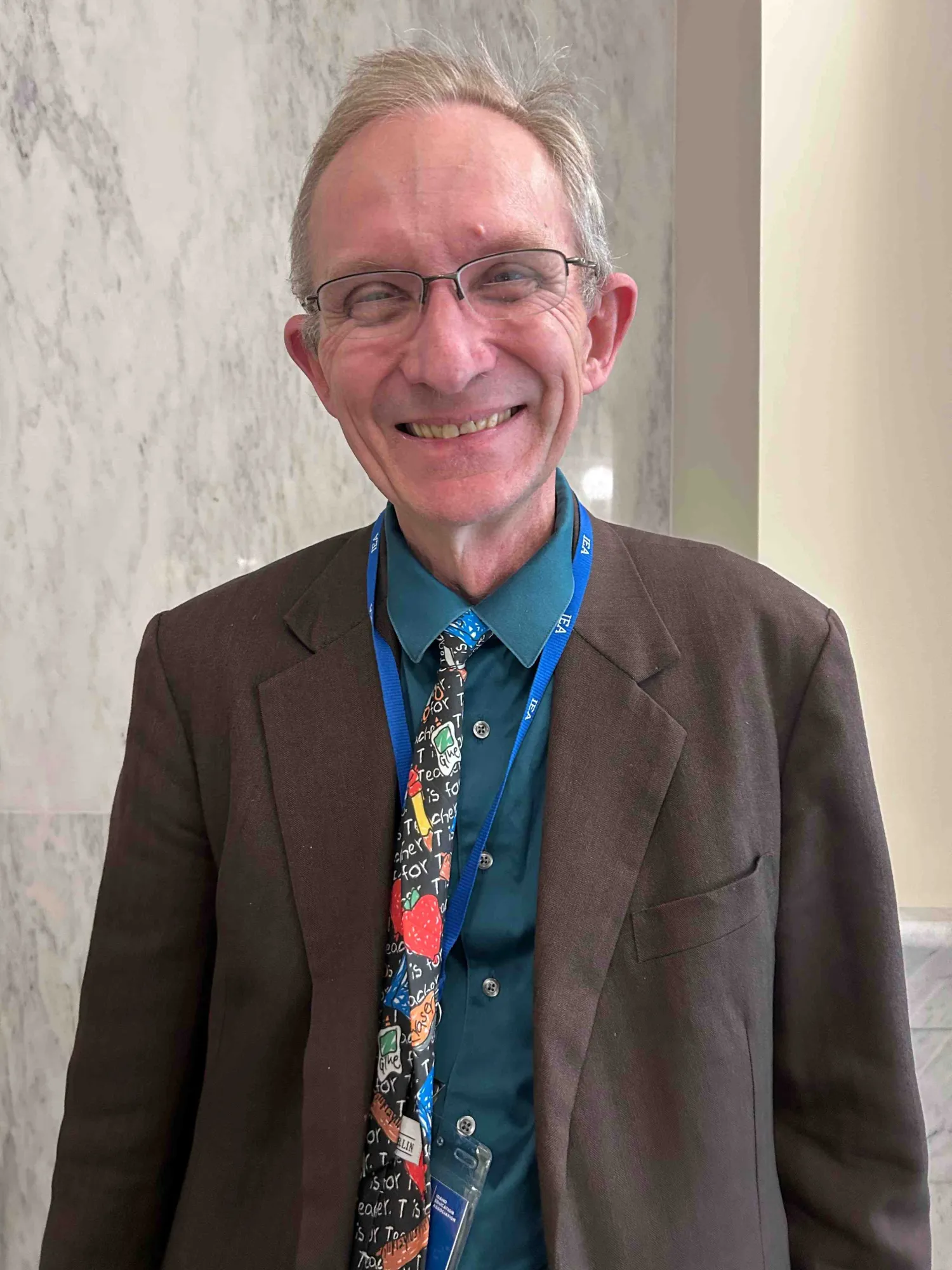
Brent Schindler
Teton Valley Education Association vice president
What were the major issues you discussed today? I was talking about funding and preserving our funding levels. In our area, affordable housing is a huge thing, and so we need to do things to help so that the teachers can live in our communities. Also, we can't have any reductions we've talked about, especially for a rural district and a lot of the hardships that we face. We can't, we can't receive any less. We really need to preserve the public education for the public schools in the rural areas.
I feel a lot of the lawmakers want to know what goes on in the schools, so anything that we can do to give them that what it feels like feel is going to be helpful. One of the things I always do is when, whenever I talk to somebody, I always invite them to come and visit my classes. I've had two to three representatives and senators come in past years, and so this year, I hope for the same. And in fact, we’ve had three commitments so far. That way, it gets them in our rural schools, so they can actually see and hear from the students.
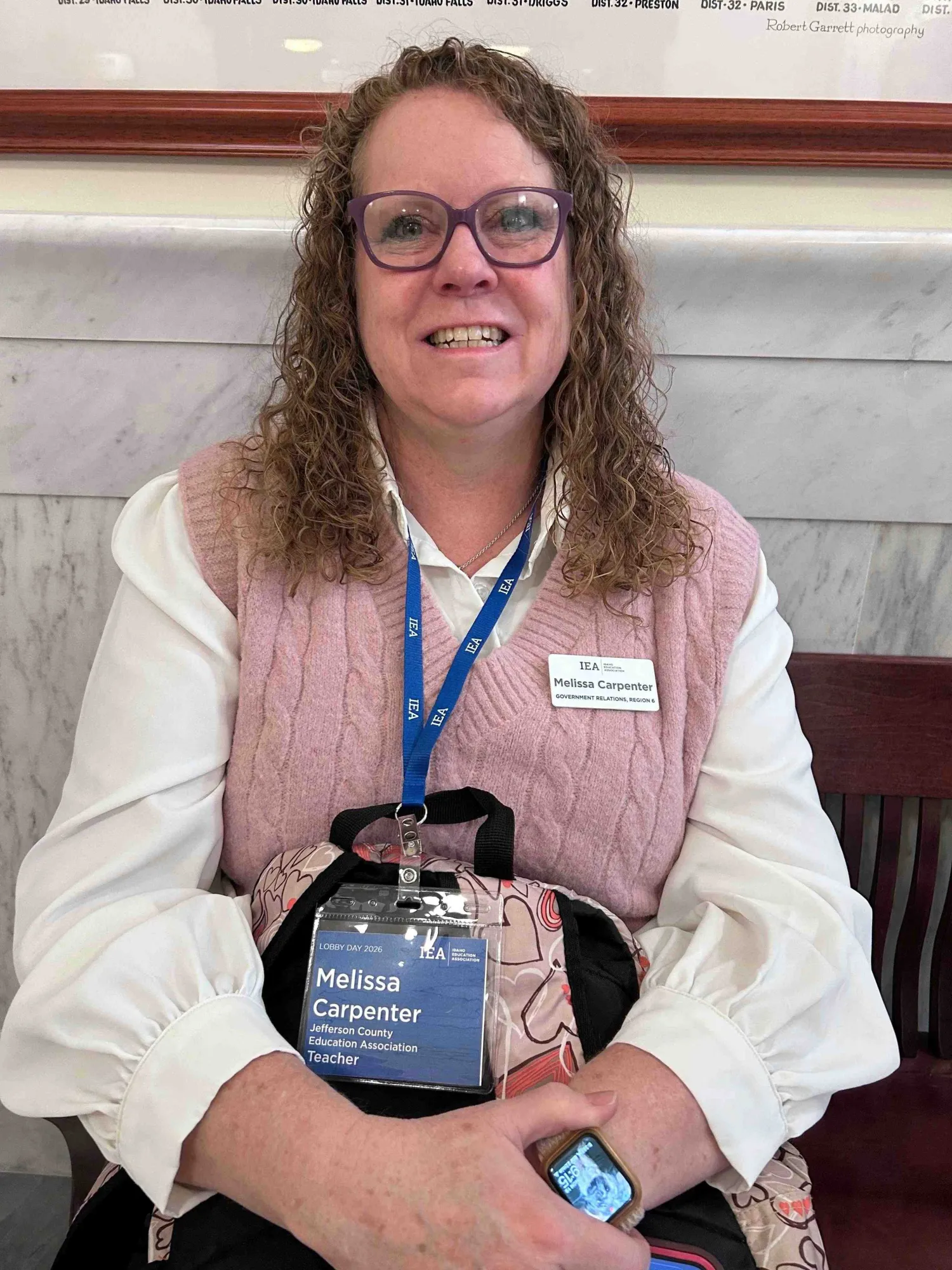
Melissa Carpenter
Math educator | Jefferson County Education Association
What will you discuss with legislators today? I am here because it’s going to be a tough year in education. I’m a math teacher, and we have a really hard time finding qualified math teachers. So I’m hoping we can bring that up with legislators and see if there’s something we could do to encourage kids to go into math education. We also have a lot of crowding issues that need to be addressed. But most of the legislators from our area are really pro-public education.